Alright, pull up a stool and let’s have a yarn. If you’ve ever stared at a bottle of the good stuff, maybe our own Tiny Bear gear, and wondered why on earth "malt" is written everywhere, you’re not alone. Is it a milkshake? Is it a breakfast cereal? Not quite, though it’s arguably much better for your Saturday night.
Today, we’re diving into the glorious, slightly sweaty, and very scientific world of malting. Specifically, what is malting in whiskey, and why should you, the thirsty punter, actually care?
At Tiny Bear, we’re all about that "immense spirit." We don’t just throw things in a pot and hope for the best; we’re obsessed with the craft. And the craft, my friends, starts long before the liquid ever hits the glass. It starts with a humble grain of barley and a whole lot of biological trickery.
The Great Sugar Heist: What is Malting Anyway?
In the simplest terms possible, because I haven’t had my morning coffee yet, malting is the process of turning a grain’s starch into sugar.
Think of a grain of barley like a tiny, locked treasure chest. Inside that chest is starch. Now, yeast (the tiny legends that make alcohol) are very picky eaters. They can’t eat starch. They want sugar. If you just tossed raw barley into a fermenter, the yeast would just sit there looking at you like you’ve got two heads.
Malting is basically us "tricking" the grain into unlocking that treasure chest. We make the grain think it’s time to grow into a plant. When a grain starts to grow, it naturally produces enzymes that convert its starch into sugar to feed the baby plant. Right when that sugar levels are at their peak, we swoop in like a distillery-themed heist movie, stop the growth, and steal the sugar for ourselves.
It sounds a bit mean when I put it that way, doesn't it? But trust me, the whiskey is worth it.
Step 1: The Spa Day (Steeping)
The whole thing kicks off with "Steeping." This is basically a 48-hour long bath for the barley. We soak the grain in water to raise its moisture content.
Why do we do this? Because the grain needs to wake up! It’s been sitting in a dry silo, basically in a deep sleep. By soaking it, we’re telling the grain, "Hey mate, it’s raining! Time to grow!"
We don’t just leave it in the water the whole time, though. That would drown the poor little guys. We do "wet" and "dry" cycles, sort of like an interval workout at the gym, but without the annoying music. This lets the grain breathe (oxygen is key!) while it absorbs enough water to hit that sweet spot of about 45% moisture.

Step 2: The Sprout (Germination)
Once the grain is sufficiently soggy and awake, we move to germination. This is where the magic happens. The grain is spread out, and over the next 4 to 5 days, it starts to sprout. Little "rootlets" begin to pop out.
Inside the grain, those enzymes I mentioned are going absolutely wild. They are breaking down the cell walls and getting that starch ready to be converted. This is a delicate stage. If it gets too hot, the grain dies. If it gets too cold, it stops growing.
In the old days, "floor malting" was the go-to. Distillers would literally shovel the grain across a floor to keep it cool and prevent the roots from tangling into one giant, matted carpet. It was back-breaking work, which led to a condition called "Monkey Shoulder" (where one arm hung lower than the other from all the shovelling).
Thankfully, technology has moved on, but the principle remains the same. We need that grain to think it’s becoming a plant, but we have to keep a close eye on it. This is where the "art" meets the "science" in our our process.
Step 3: The Sauna (Kilning)
This is the "Stop Right There!" moment. If we let the grain keep growing, it would use up all that lovely sugar to make leaves and stems. We don't want a salad; we want spirits!
So, we toss the "green malt" into a kiln. We blast it with hot air to dry it out and stop the growth dead in its tracks. This preserves the enzymes and the sugars we worked so hard to unlock.
Kilning isn't just about stopping the growth, though, it’s about flavor.
- Lightly kilned: Gives you those fresh, bready, biscuity notes.
- Darkly kilned: Gives you chocolate, coffee, or even smoky "toasted" vibes.
- Peated: If you’ve ever had a whiskey that tastes like a campfire, that’s because they burnt peat during the kilning process to smoke the grain.
The malt whisky ingredients are essentially just grain, water, and heat at this point, but the way you apply that heat changes everything.
Why Malt Matters for the Final Drop
You might be wondering, "Evan, why don't you just use corn or rye?" Well, we can! But malt in whisky is the gold standard for a reason. Barley, when malted, has a massive amount of enzymes, more than almost any other grain. This makes it a powerhouse for fermentation.
When you look at single malt whisky ingredients, you’ll see it’s incredibly simple: malted barley, water, and yeast. That’s it. Because the ingredients are so minimal, the quality of the malting process is everything. If you mess up the malting, you mess up the flavor.
At Tiny Bear, we’re obsessed with the details. We aren’t some massive factory pumping out millions of litres of generic booze. We’re a small-batch operation. We care about the "immense spirit" that comes from using high-quality single malt whiskey ingredients. It’s about that handcrafted touch. When you sip one of our spirits, you’re tasting the result of someone actually paying attention to the grain.
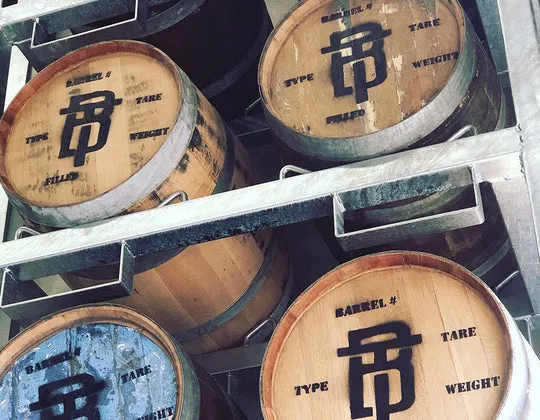
The Tiny Bear Philosophy: Science, Art, and a Bit of Cheek
We often say that distilling is 90% cleaning and 10% science, but the "malting" part of the story is where the soul lives. It’s a natural process that has been around for thousands of years, yet we’re still finding ways to make it rad.
Why do we do it this way? Because small-batch production allows us to be adventurous. We can experiment with different malt profiles that the "big guys" wouldn't touch. It’s about being bold. We aren't afraid to get our hands dirty (or soggy) to ensure that what ends up in your glass is nothing short of legendary.
If you’re keen to see where all this science happens, you should definitely visit us or check out our experiences. There’s nothing like seeing the copper stills in person to make you appreciate the journey from a grain of barley to a world-class whiskey.
Malt Whisky Ingredients: The Essential Breakdown
To wrap your head around it, let’s look at the "Big Three" of malt whisky ingredients:
- Malted Barley: The heart and soul. Provides the sugar and the base flavor.
- Water: Not just any water. The mineral content of the water can actually change how the enzymes work. (Yeah, science!)
- Yeast: The hungry little workers who turn that malt sugar into alcohol and create those fruity "esters" we love.
That’s it. That’s the secret sauce. But like a simple sanga (sandwich) made with the best sourdough and premium ham, the quality of those simple ingredients makes all the difference.
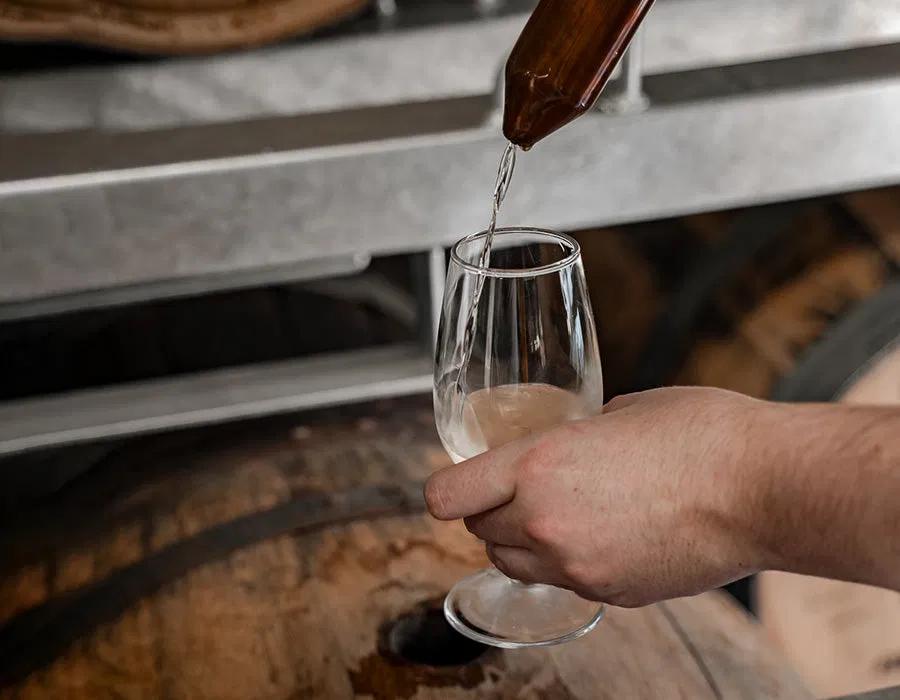
What Happens Next? (The Tease)
Once the malt is dried, it’s ground down into "grist" (which looks like coarse flour), mixed with hot water to create a sugary tea called "wort," and then fermented. But that, my friends, is a story for another day.
For now, just remember: Malting is the "magic trick" that turns a boring field of grain into the foundation of your favorite dram. It’s the process of unlocking potential. And at Tiny Bear, unlocking potential is what we live for.
Summary for the Busy Punter
In case you skimmed all that (I see you!):
- What is malting in whiskey? It’s waking up grain with water, letting it sprout to create enzymes, and then drying it with heat to lock in the sugar.
- Why bother? Because yeast needs sugar to make booze, and malting is how we get it from the grain.
- Tiny Bear's Take: We love the science and the "immense spirit" of handcrafted production. Quality in = Quality out.
Next time you’re at the bar, or browsing our shop, you can drop some knowledge about enzymatic conversion and look like a total legend. Or, you know, just enjoy the drink. That works too.

Final Thoughts
Whiskey isn't just a drink; it’s a journey of transformation. From a dry seed to a sprouting plant, to a toasted grain, and finally to a complex, aging spirit in a barrel. It’s a bit of a miracle, really.
If you want to keep up with our latest experiments or find out when our next batch drops, make sure you sign up for the mailing list. We promise to keep the science interesting and the spirits high.
Stay bold, stay adventurous, and always look for the bear.
Cheers, Evan