


G’day, gin lovers! Pull up a stool, grab a glass, and let’s have a proper chinwag about the liquid gold (well, liquid clear, usually) that we all know and love.
Ever stood in front of a bottle shop shelf and felt like you were reading a foreign language? London Dry, Old Tom, Navy Strength, Sloe... honestly, it’s enough to make a punter head straight for the fridge and grab a boring old beer. But wait! Don’t go just yet. Today, we’re peeling back the label on the most famous style of them all: Dry Gin.
What does "dry" even mean? Is it like a dry joke? Or like that feeling in your mouth when you accidentally eat a bit of chalk? (Why do you do this though? Just me? Moving on...)
Let's dive into the history, the science (the "dumbing things down" version, I promise), and most importantly, how to drink the stuff.
A Trip Down Memory Lane: The Gin Evolution
Before we get to the crisp, clean Sailor Gin we’re pouring today, we have to talk about how gin used to be... well, a bit of a mess.

The Rough Beginnings (Genever & Old Tom)
Back in the 17th and 18th centuries, gin wasn't exactly the refined spirit it is now. It started with Genever from the Dutch (bless 'em), which was basically like a malty, grainy baby of whisky and gin. When it hit England, things got a bit wild. This was the "Gin Craze" era, think of it as the Wild West, but with more powdered wigs and significantly more public intoxication.
The problem was, the distillation equipment back then was... let’s call it "characterful." The spirit coming off the stills was often harsh enough to strip the paint off a door. To make it drinkable, distillers started adding things like sugar and licorice root to mask the burning-gasoline taste. This sweeter style became known as Old Tom.
Legend has it that Old Tom got its name from a black cat (a "Tom") sign outside London pubs. Punters would drop a coin in the cat’s mouth, and a shot of gin would come out a tube in the paw. Rad, right? But also, very, very sweet.
The Rise of "Dry"
Then came the 19th century and the invention of the column still (shoutout to Aeneas Coffey, legend!). Suddenly, we could make spirit that was incredibly clean and high-proof. Because the base spirit no longer tasted like a mistake, we didn't need to hide it under a mountain of sugar anymore.
Distillers started focusing on the botanicals, the juniper, the citrus, the coriander, and letting them shine. They called this new, unsweetened style "London Dry" to distinguish it from the sugary Old Tom. And just like that, the Martini’s best friend was born.
So, Why Is It Called "Dry"?
If you’re thinking "Dry" refers to the texture, you’re half right. In the world of booze, "dry" is just the fancy-pants way of saying "not sweet."
Think of it like wine. A sweet Riesling is "wet" (in flavor), while a crisp Sauvignon Blanc is "dry." For a gin to be legally called "London Dry" (which is the gold standard of the style), it has to follow some pretty strict rules:
- No sugar added after distillation (or a tiny, tiny amount that you can't really taste).
- All the flavors have to come from natural botanicals during the distillation process.
- No artificial flavors or colors.
It’s basically the "naked" version of gin. No makeup, no filters, just pure botanical goodness. This is why we love it at Tiny Bear, there’s nowhere to hide! If your ingredients aren't top-notch, everyone’s going to know about it.
The Bold One: Meet Tiny Bear Sailor Gin
Now, if you want to see what happens when a Dry Gin stops being polite and starts getting real, you need to meet our Sailor Gin.

While many dry gins sit at a standard 40% or 42% ABV, we decided to kick the doors down with a 58% ABV "Navy Strength" beast. Why? Because we’re all about that "immense spirit" within.
It’s a classic dry profile, heavy on the juniper (as it should be!), but we’ve layered it with some punchy citrus and spice that holds its own even when you drown it in tonic. It’s bold, it’s adventurous, and honestly, it’s the gin that makes other gins feel a bit shy.
How to Drink Dry Gin (The Classics)
Alright, enough with the history lesson. My throat’s getting dry just talking about it. Let’s get to the good stuff: the cocktails.
Because Dry Gin is so crisp and juniper-forward, it’s the ultimate canvas for mixology. Here are the three kings of the gin world that every Tiny Bear fan should master:
1. The Gin & Tonic (The "Keep It Simple" King)
You can't beat it. It’s the ultimate refreshing "after-work-is-done" reward.

- The Build: 45ml Sailor Gin, 120ml premium tonic water.
- The Method: Fill a glass with as much ice as you can fit. Seriously, pack it in! Pour in the gin, top with cold tonic, and give it one gentle stir (don't kill the bubbles!).
- The Garnish: A slice of orange or a sprig of fresh herbs.
- Penny’s Tip: Since Sailor Gin is 58%, it can take a bit more tonic than your average gin without losing its soul. Don't be afraid to experiment!
2. The Negroni (The "I'm Sophisticated Now" Choice)
The Negroni is the ultimate bittersweet symphony. It’s a bit like an acquired taste: like blue cheese or 80s synth-pop: but once you get it, you’re hooked for life.
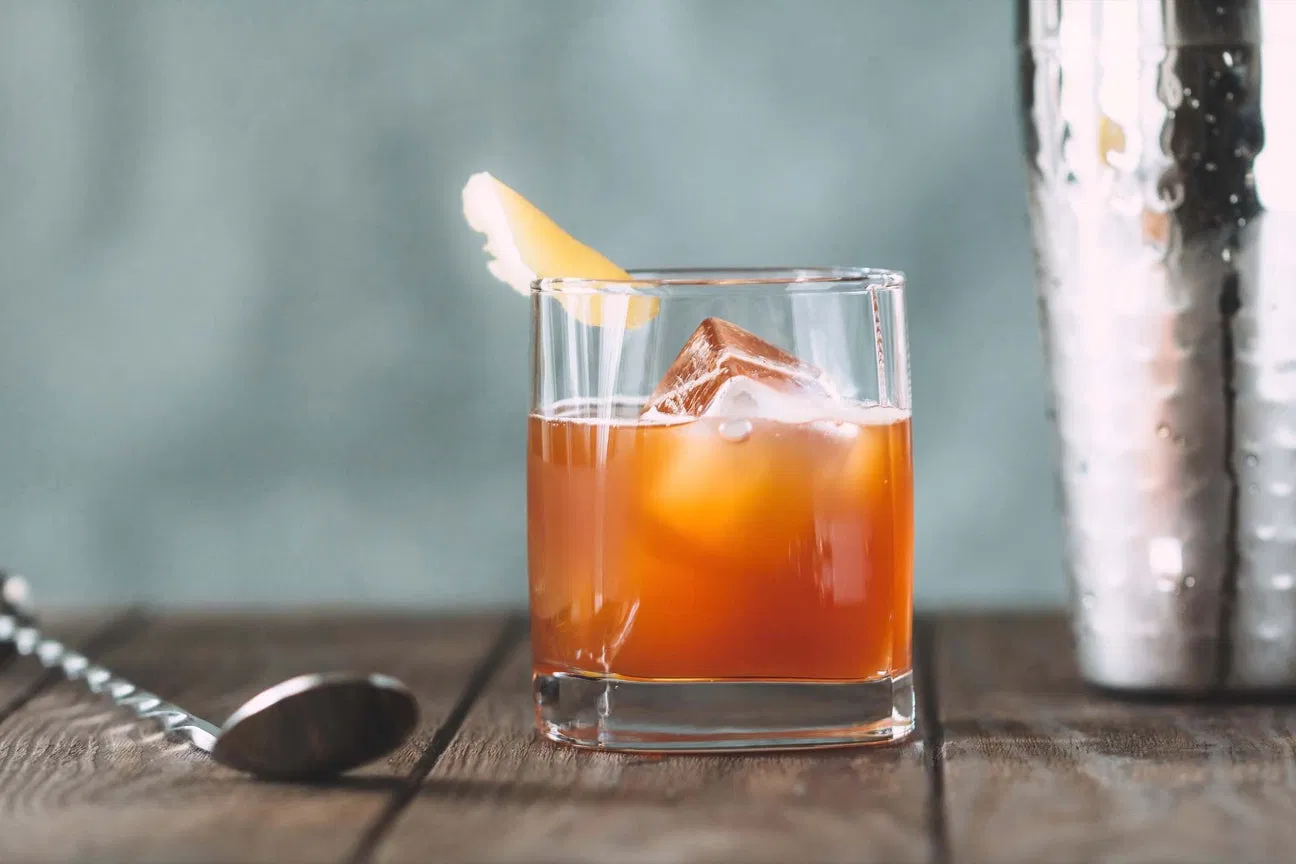
- The Build: 30ml Sailor Gin, 30ml Sweet Red Vermouth, 30ml Campari.
- The Method: Stir all ingredients in a mixing glass with ice until very cold. Strain into a rocks glass over one big, beautiful ice cube.
- The Garnish: An orange twist. Express the oils over the glass first (squeeze the peel over the drink) for that extra oomph.
3. The Dry Martini (The "Bond Who?" Classic)
The Martini is the purest way to enjoy a Dry Gin. It’s basically just very cold, very fancy gin.

- The Build: 60ml Sailor Gin, 10ml Dry Vermouth.
- The Method: Stir (don't shake, sorry James) with lots of ice for at least 30 seconds. You want it so cold it hurts. Strain into a chilled glass.
- The Garnish: A lemon twist or a couple of olives if you're feeling salty.
- Deep Dive: We actually have a whole blog post dedicated to the perfect Sailor Martini if you want to become a true pro.
Final Thoughts: Drink What You Love
At the end of the day, whether you’re sipping a sweetened Old Tom or a bone-dry Sailor Gin, the most important rule is to enjoy it. We handcraft our spirits in small batches here in Melbourne because we love the process, the "messy" parts, the late nights at the still, and the joy of seeing someone’s face light up when they try a real, high-quality gin for the first time.
So, next time you see "Dry" on a label, you’ll know it’s not about being thirsty: it’s about a legacy of clean distillation, bold botanicals, and zero sugar-coating.
Cheers for reading! If you’re ever in the neighborhood, come by the distillery for a tasting. We’ve got the cheese boards ready and the gin is always cold.
Stay immense,
Penny & The Tiny Bear Crew 🐻
